Looking At Paris
For nearly a century, the image of Paris has been shaped through the gaze of humanist photographers. Ronis, Doisneau, Izis and many others forged the vision of a tender, popular Paris, deeply rooted in everyday life. Their images have left such a strong imprint on the collective memory that they still represent, for many, the face of the capital.
But what remains of that Paris today? What becomes of the city when it is stripped of the nostalgia attached to it? What does Paris tell us at the beginning of the 21st century, through its public spaces, its crowds, its transformations, its energy, its culture?
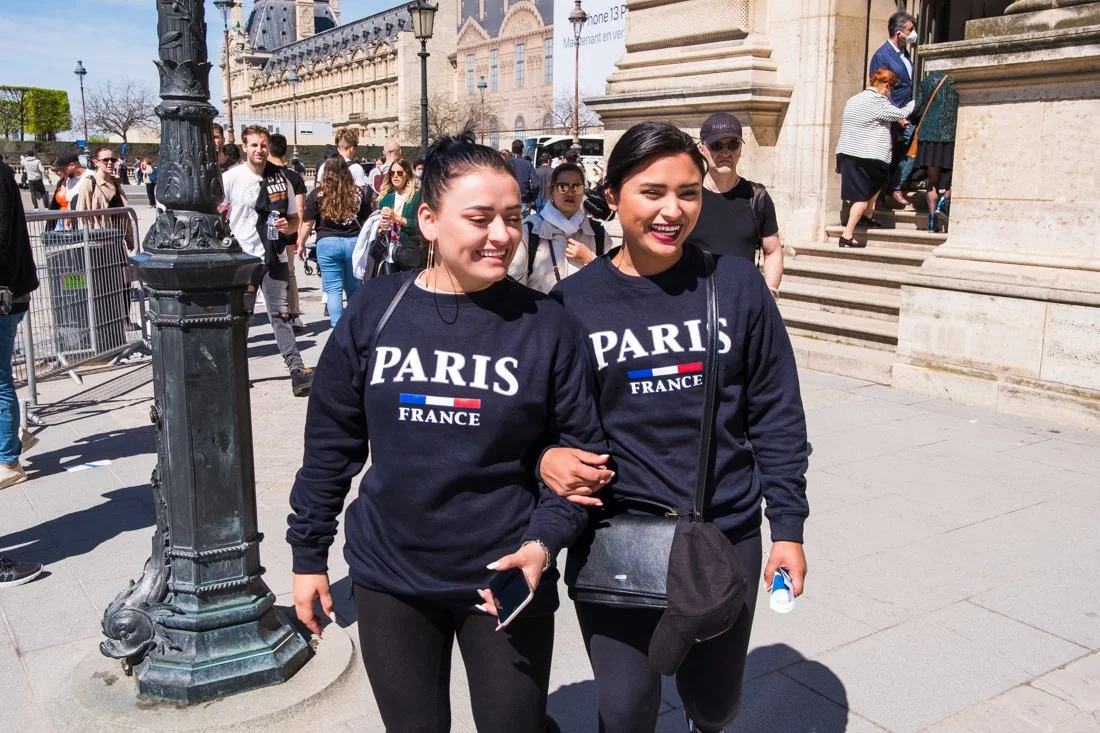
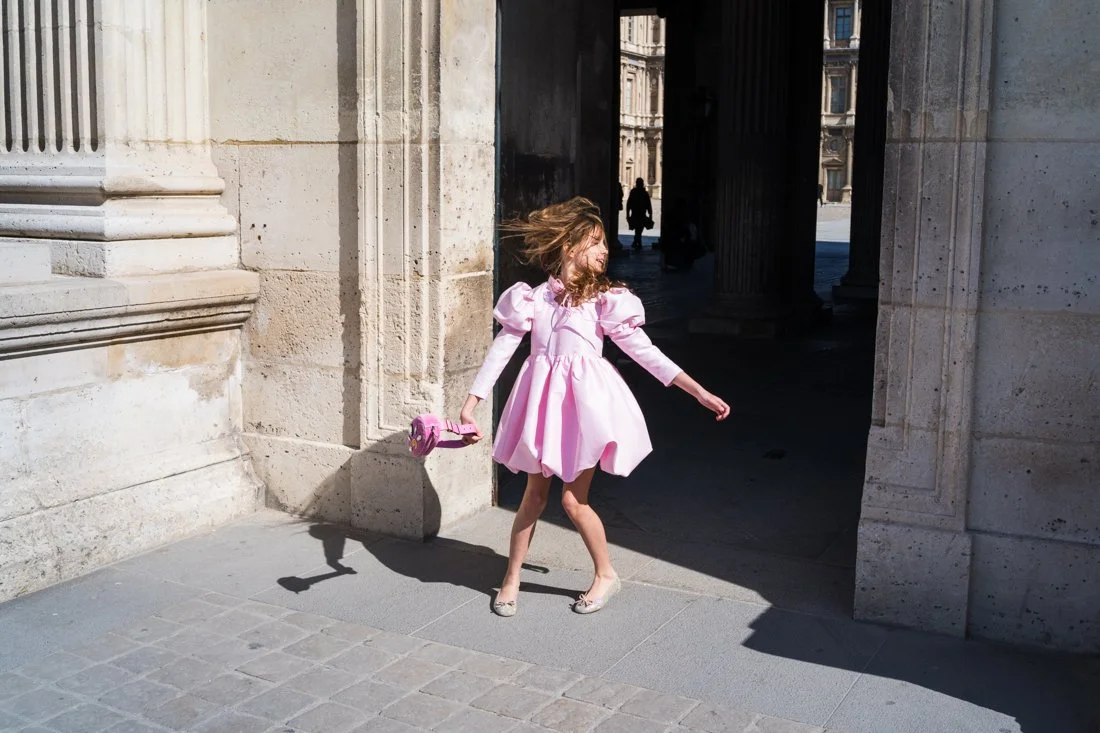
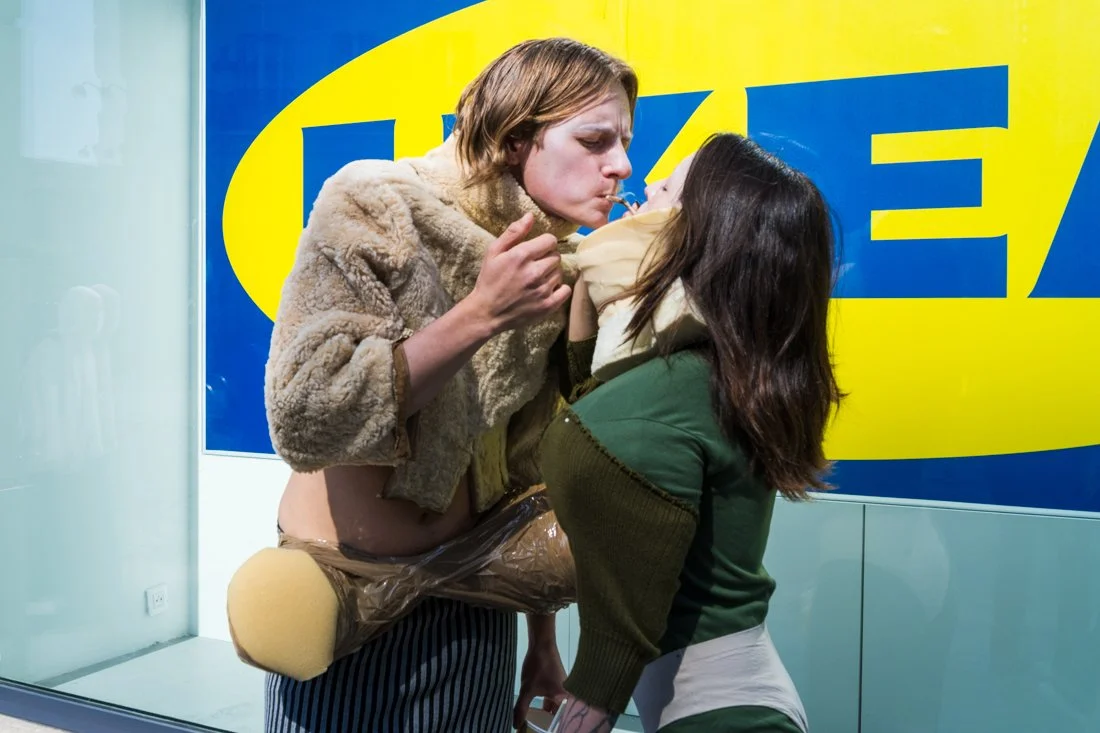
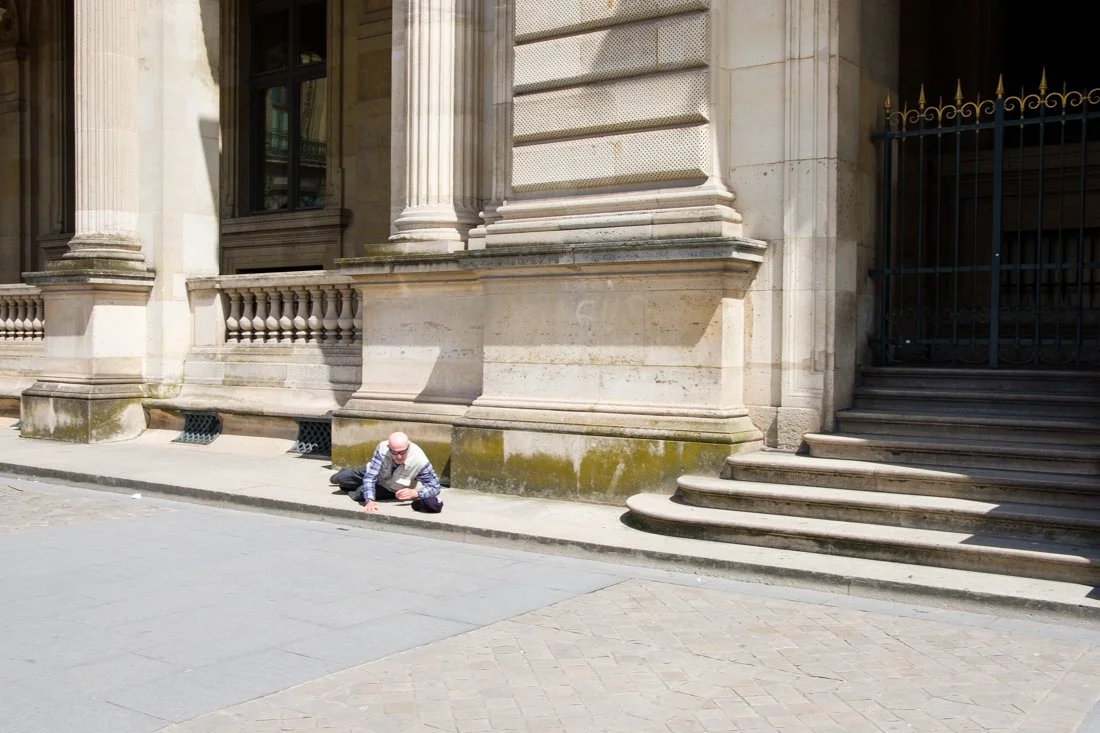
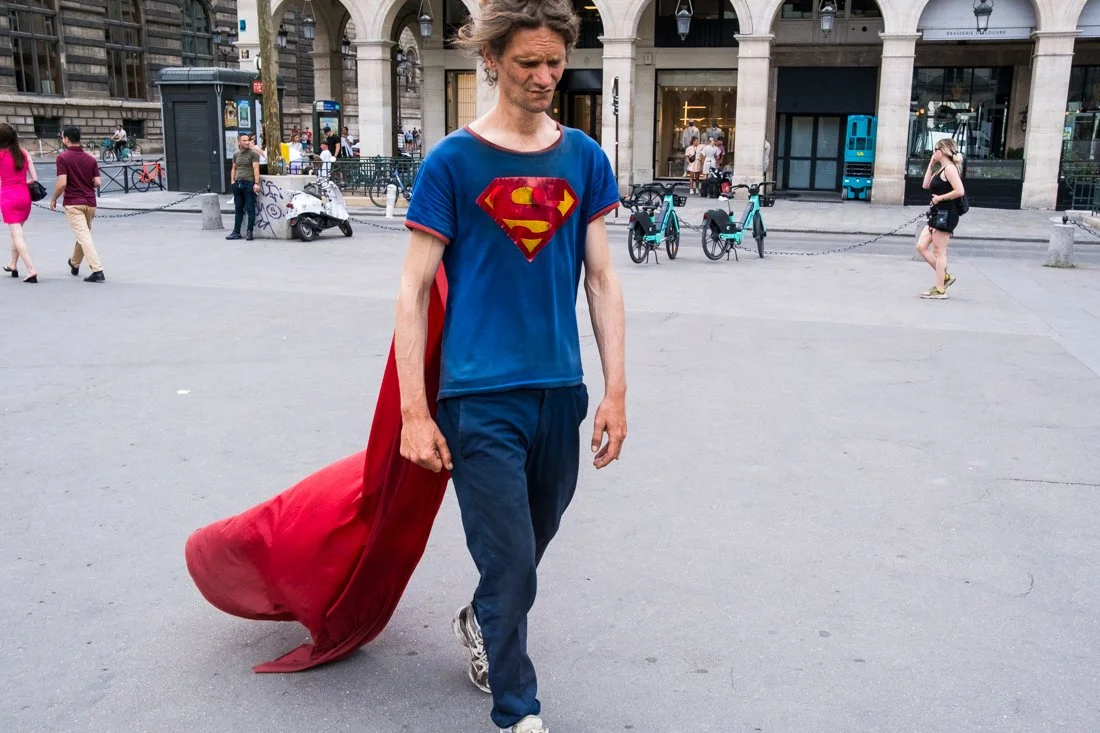
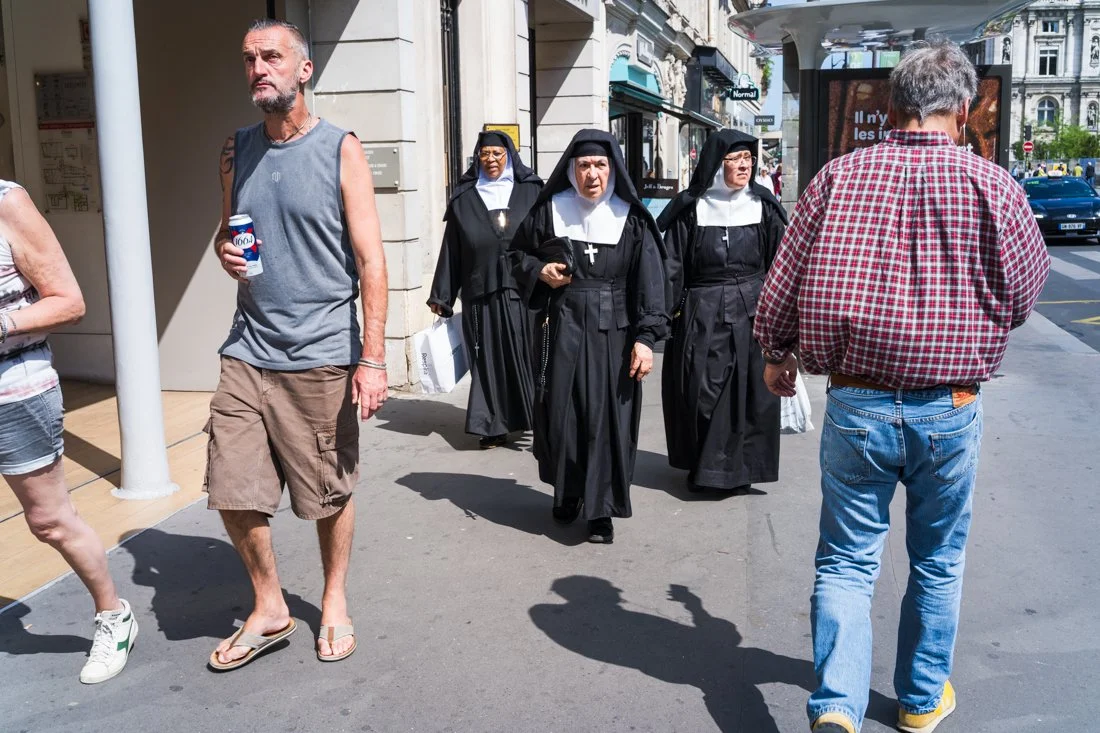
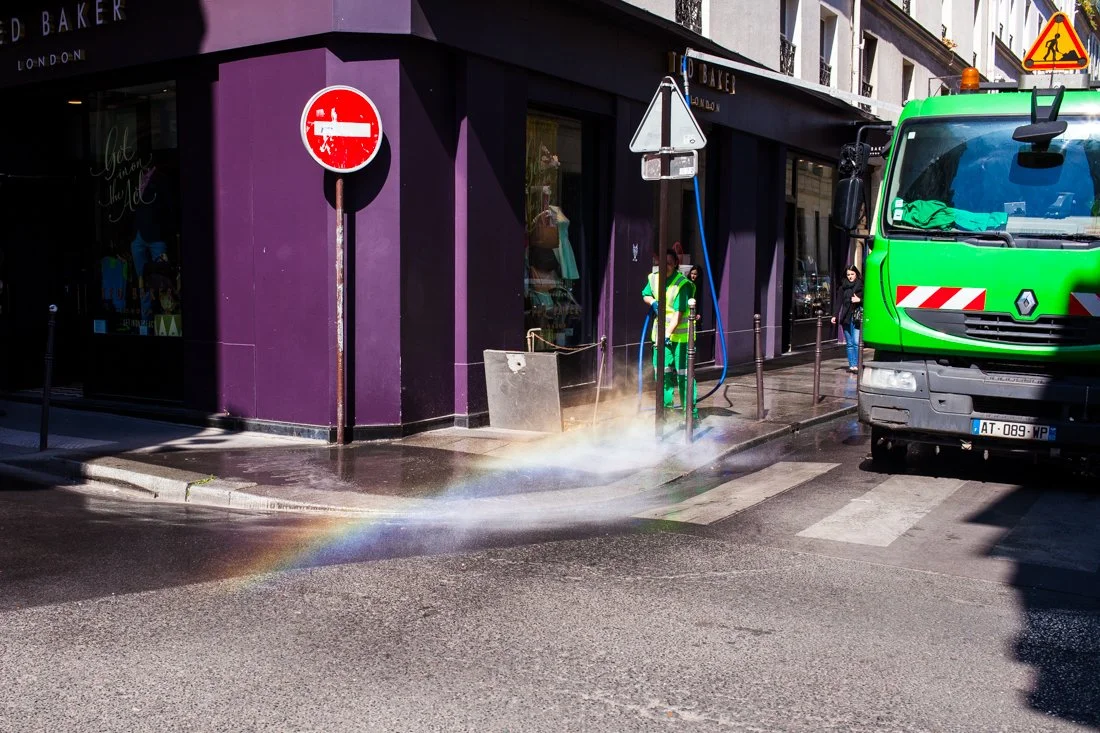
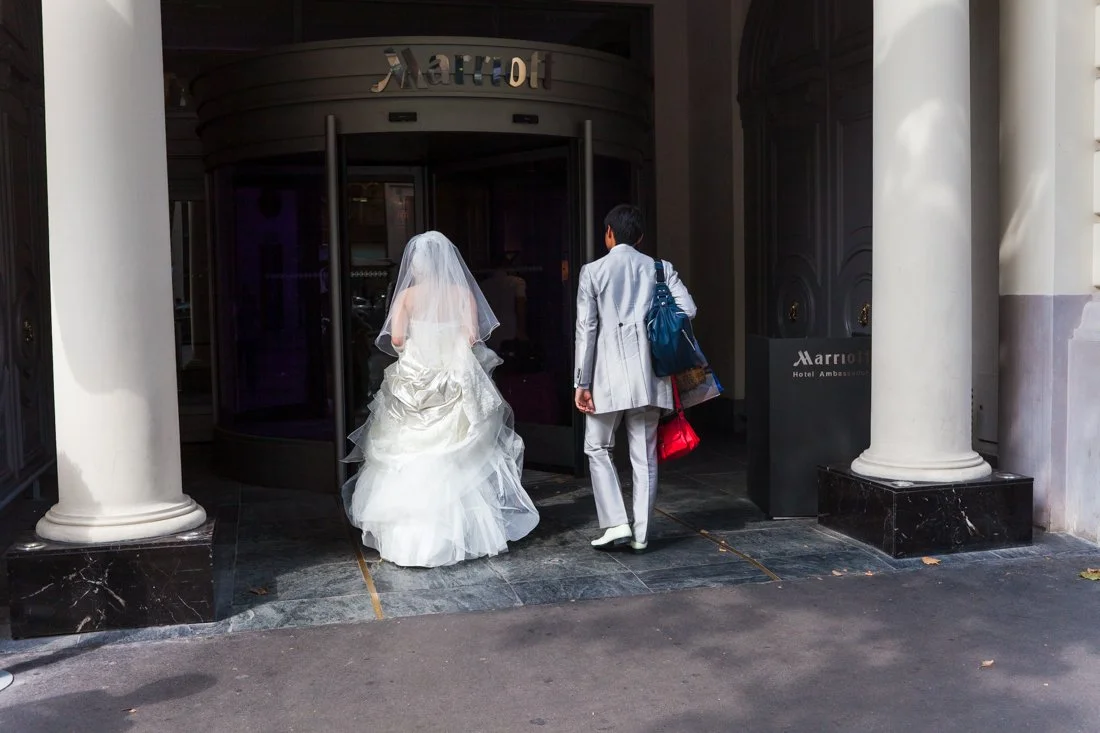
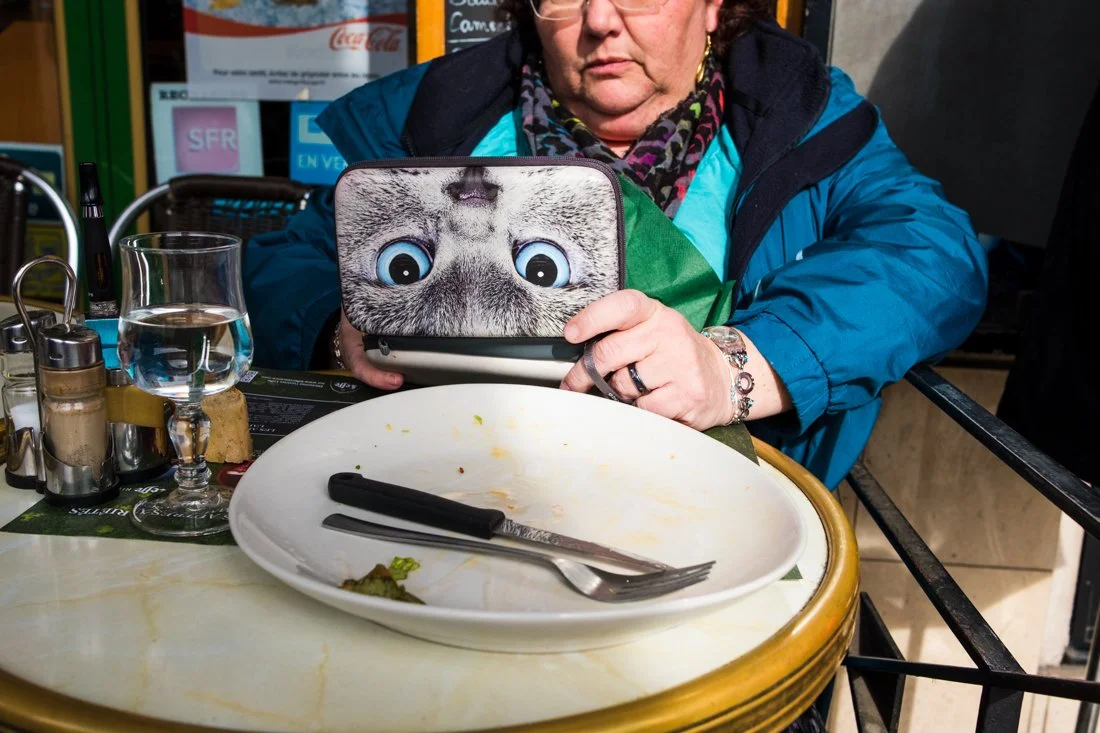
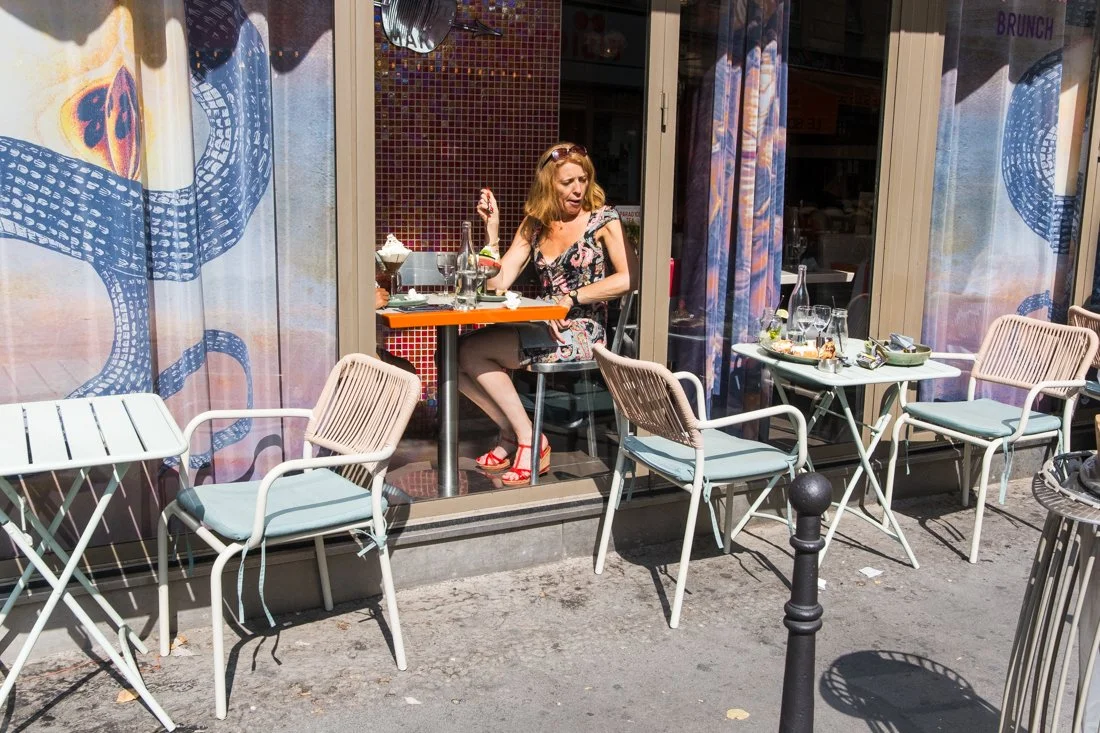
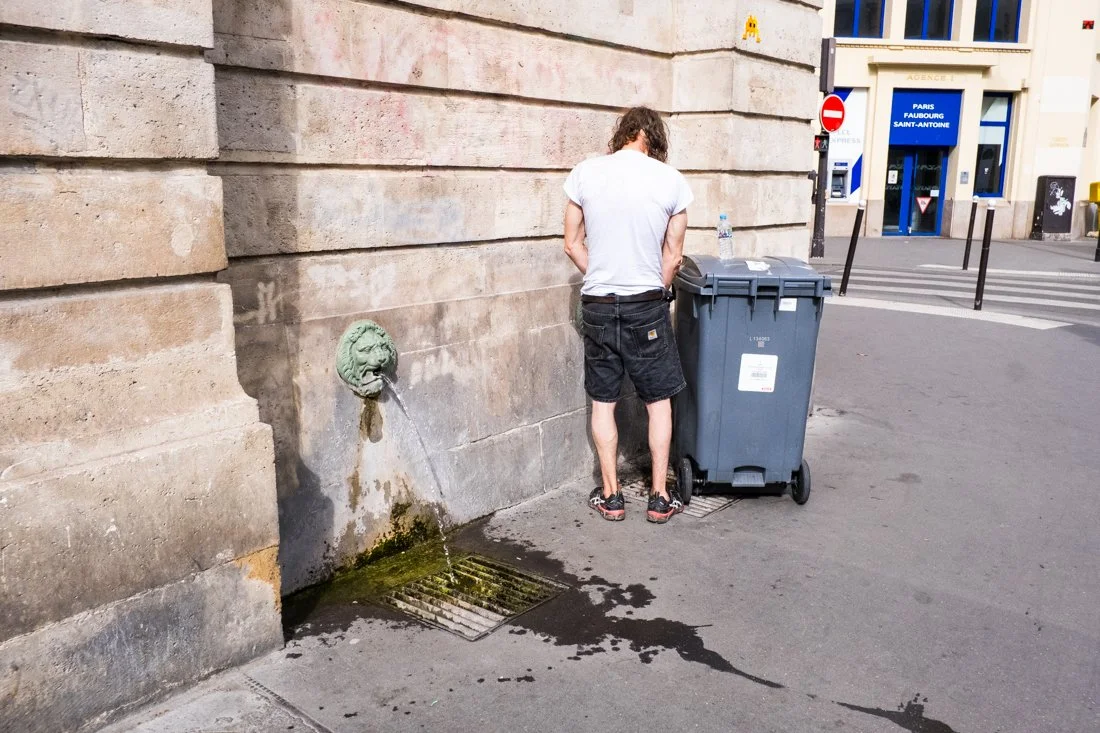
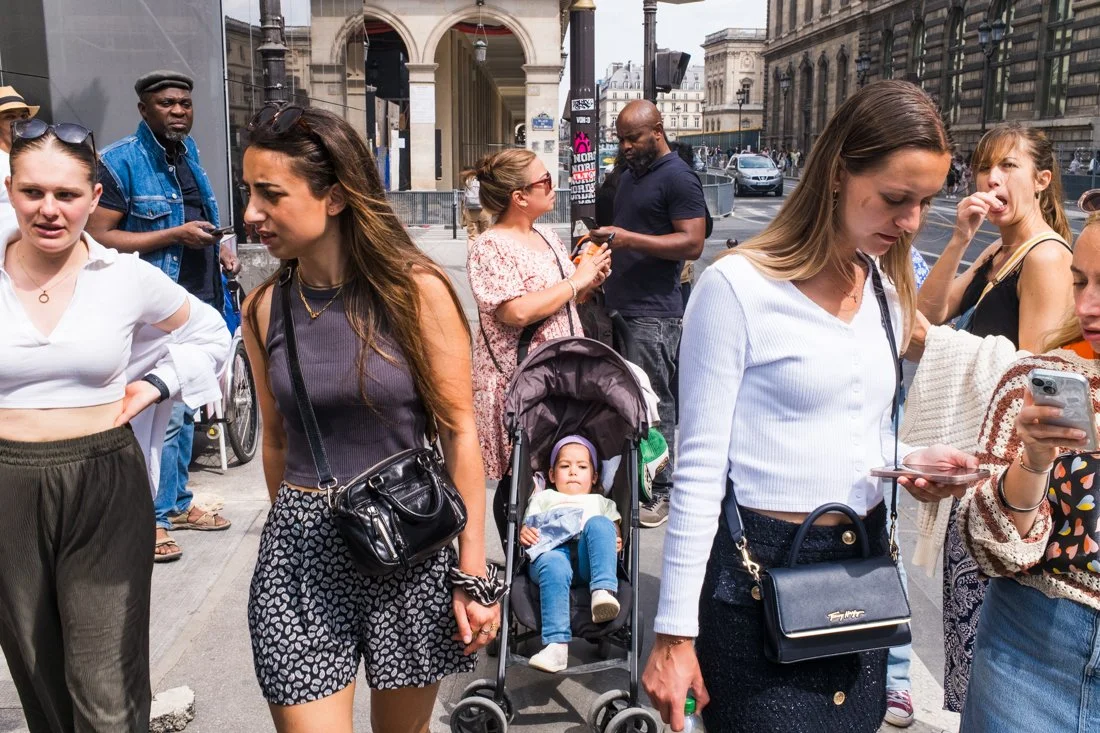
Looking at Paris grows out of these questions. Inheriting the humanist tradition, but also shaped by the influence of great American street photographers, I seek to understand how the city lives today, and what, in its daily life, still resonates with that humanist legacy. My intention is to capture what Paris reveals: its gestures, its flows, its moments of tension, its modernity, its humanity, its openly embraced banality.
Through this series, I do not seek to reconstruct a mythology. On the contrary, I observe Paris as a living city, set within a backdrop inherited from the last century but animated by new movements, a culture transformed by decades of progressivism and liberalism. My images attempt to say that Paris is no longer a black-and-white postcard from the 1940s, nor a pop cliché à la Emily in Paris.
Ultimately, Looking at Paris is a way of telling the story of the city in the spirit of the humanists, but within a daily life that may be denser, more complex, sometimes harsher, yet always just as human. Perhaps tomorrow it is within this multitude of Parisian photographs, taken by so many photographers, that we will be able to read what Paris was like at the beginning of the 21st century.